-
Renewal (2026)
Its time to consolidate and renew. After a return to live performance in 2025 and more dedicated time to writing and rehearsing, the new year provides an opportunity to keep the momentum rolling. There is a number of half-finished and tentatively planned projects on the “to do” list for work throughout the year.
An updated website was first on the list. As the social media landscape becomes ever so complicated to navigate, a steady online presence was necessary.
For more regular updates, instagram, bandcamp, or facebook are the places to follow.
-
Bundanon Residency (2023-2025)
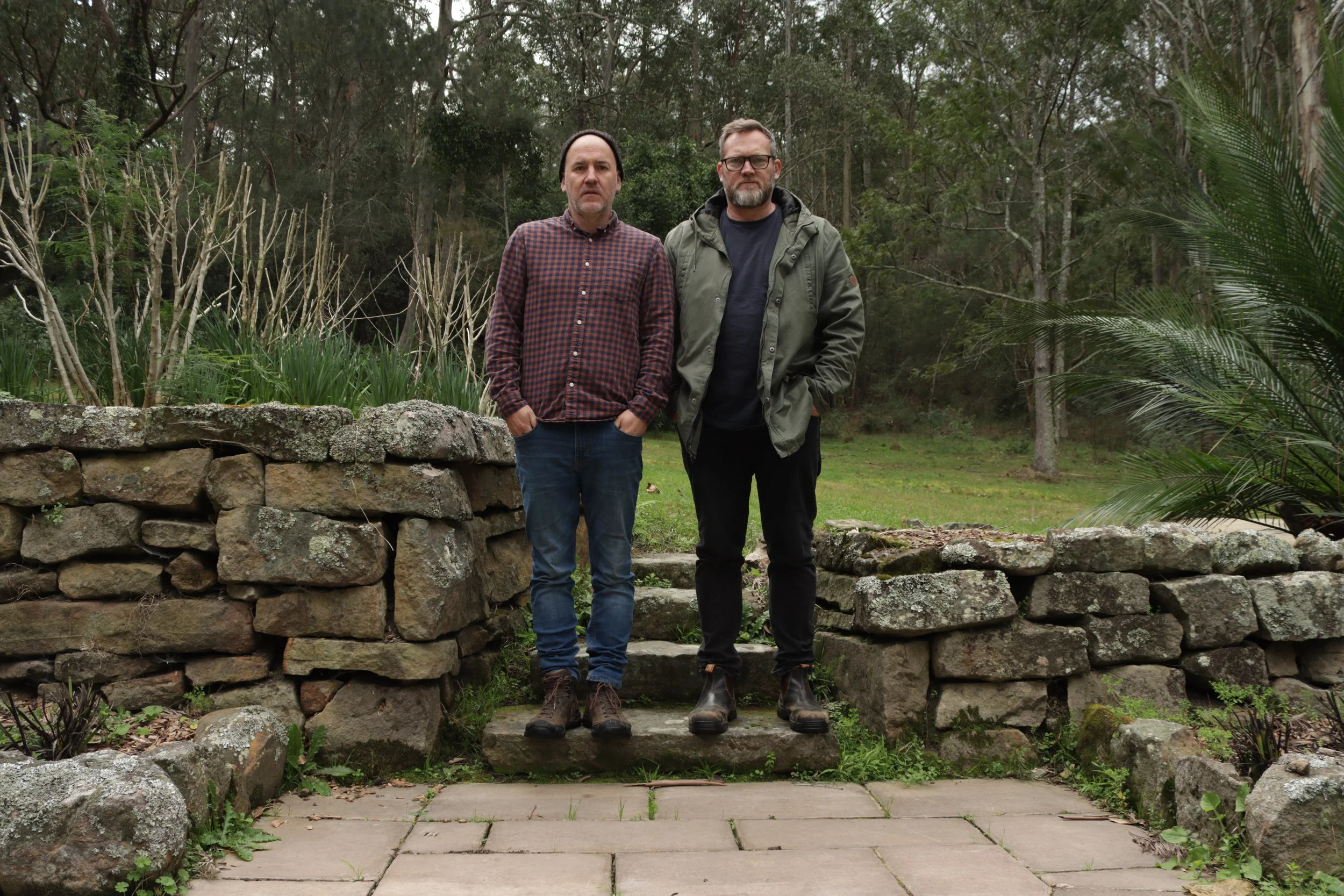
Together with Matt Rösner, a week long residency at Bundanon Art Museum on the south coast of New South Wales was used to compose and record material that was to become Bundanon (Longform Editions) and ‘Deep Valley’ (12k). This material was also showcased as part of the 2024 Volume Festival at the Art Gallery of NSW and presented as a live performance at the Art Gallery of NSW (Volume: Fixtures) and Bundanon Art Museum in 2025. Material was also featured in conjunction with the June 2025 exhibition of Helle Jorgensen’s artwork at The Tiny Honorable Gallery (Bermagui, NSW).
The Bundanon property was gifted to the Australian people by renowned artist, Arthur Boyd and his wife Yvonne in the 1990’s. In making this gift, the Boyd’s opened a creative place for artists to immerse themselves in a truly distinctive Australian landscape. The property sits on the banks on the Shoalhaven River and surrounded by towering sandstone cliffs, dense forests and unique animal species that exist alongside historic studio buildings that were used by the Boyd family and many artists working in their footsteps.
A week was spent exploring the surrounding wildlife sanctuary. All works resulting from the residency were composed using recordings of sounds of the outside environment and weaving them with guitars, piano and electronic processing to create a new work inspired by Arthur Boyd’s famous comment, “You can’t own a landscape”.
Boyd knew of the fleeting and changing visual nature of a landscape, and the aural world exists in parallel to this idea. Now, more ephemeral than ever. Our modern society is saturated by attempts to flood our visual channels and we’ve evolved to remember photos and the moving image at the expense of the complex auditory environments created by nature.
-
Riverfest (2024)
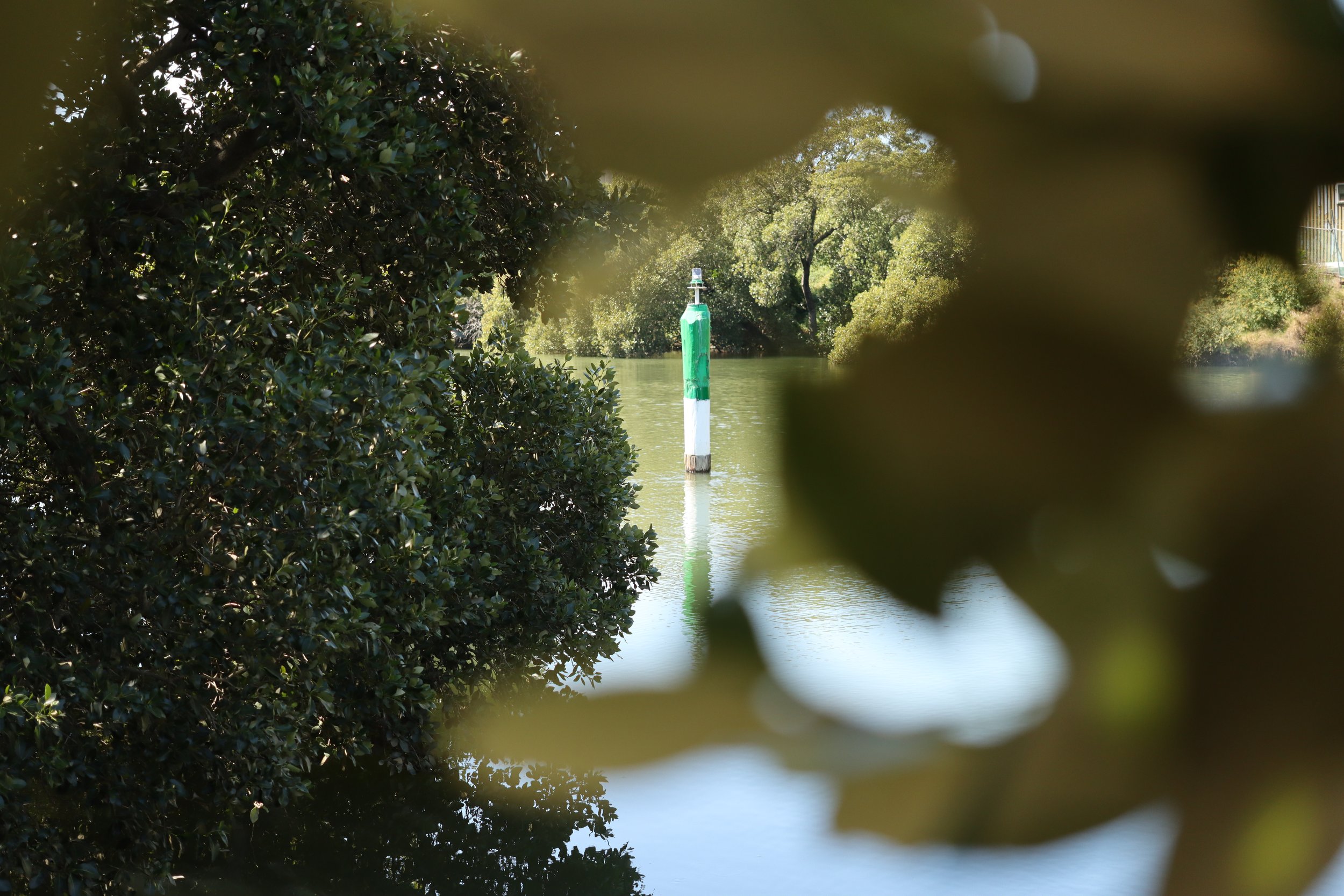
To celebrate World Rivers Day 2024, a special listening event took place. Coordinated by Our Living River (a collaborative project of local authorities focused on the conservation of the environments within and immediately surrounding the Parramatta River, Sydney, Australia), Riverfest is a week long series of events designed to educate and engage the community in river conservation. A 40min long piece was composed comprised of environmental recordings along the Parramatta River, from deep within Sydney Harbour to the weirs of the tributaries feeding the river in Western Sydney. A mix of hydrophone recordings revealed the natural textural soundscape of the river, interspersed with the interruption of ferry and other watercraft. The community were invited to join the “silent disco” at the riverside event by grabbing some headphones and a bean bag and finding a place in the parklands along the river to sit, listen, and reflect on the sounds of the local ecosystem.
-
Pentridge Prison (2023)
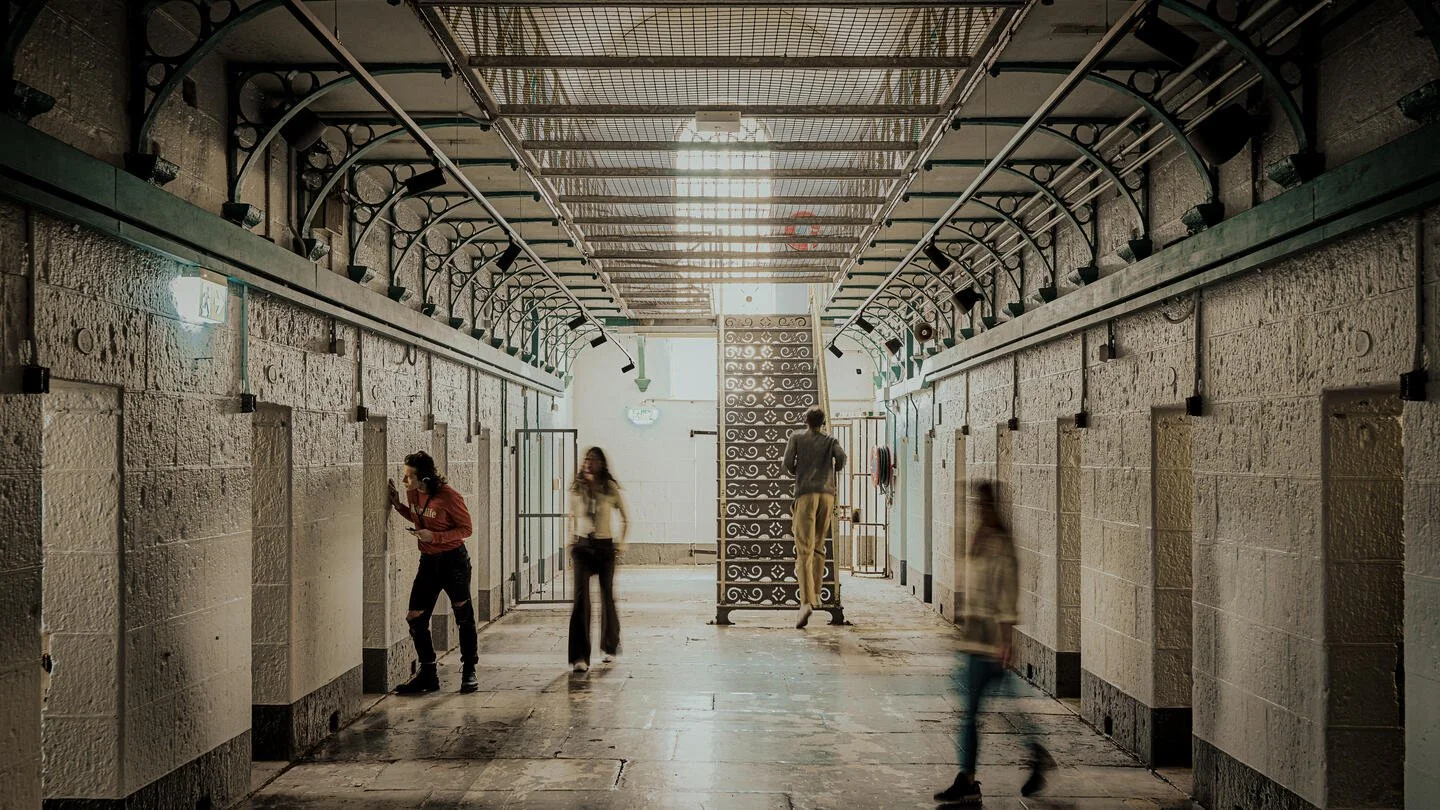
Seaworthy was engaged to contribute original works to soundscapes accompanying audio tours of the infamous H-Division blocks of Pentridge Prison (Melbourne, Australia).
The awarding winning project was created by the National Trust of Australia (Victoria) and the experience design and technology company Art Processors. As described by Art Processors “Immersive audio tours lead visitors through the site’s history, from its original and continuing identity as Wurundjeri Land to the bluestone walls of Pentridge Prison and its closure in 1997. From time spent inside by some of Australia’s most notorious criminals to the anecdotes and experiences of thousands of people over several generations, the tours are a multifaceted exploration of the prison’s history.”
Seaworthy contributed music alongside other composers including composers Cale Sexton, Nick Huggins and Chris Bolton.
[Image: Brent Lukey & Art Processors]
-
Snowmelt (2021)
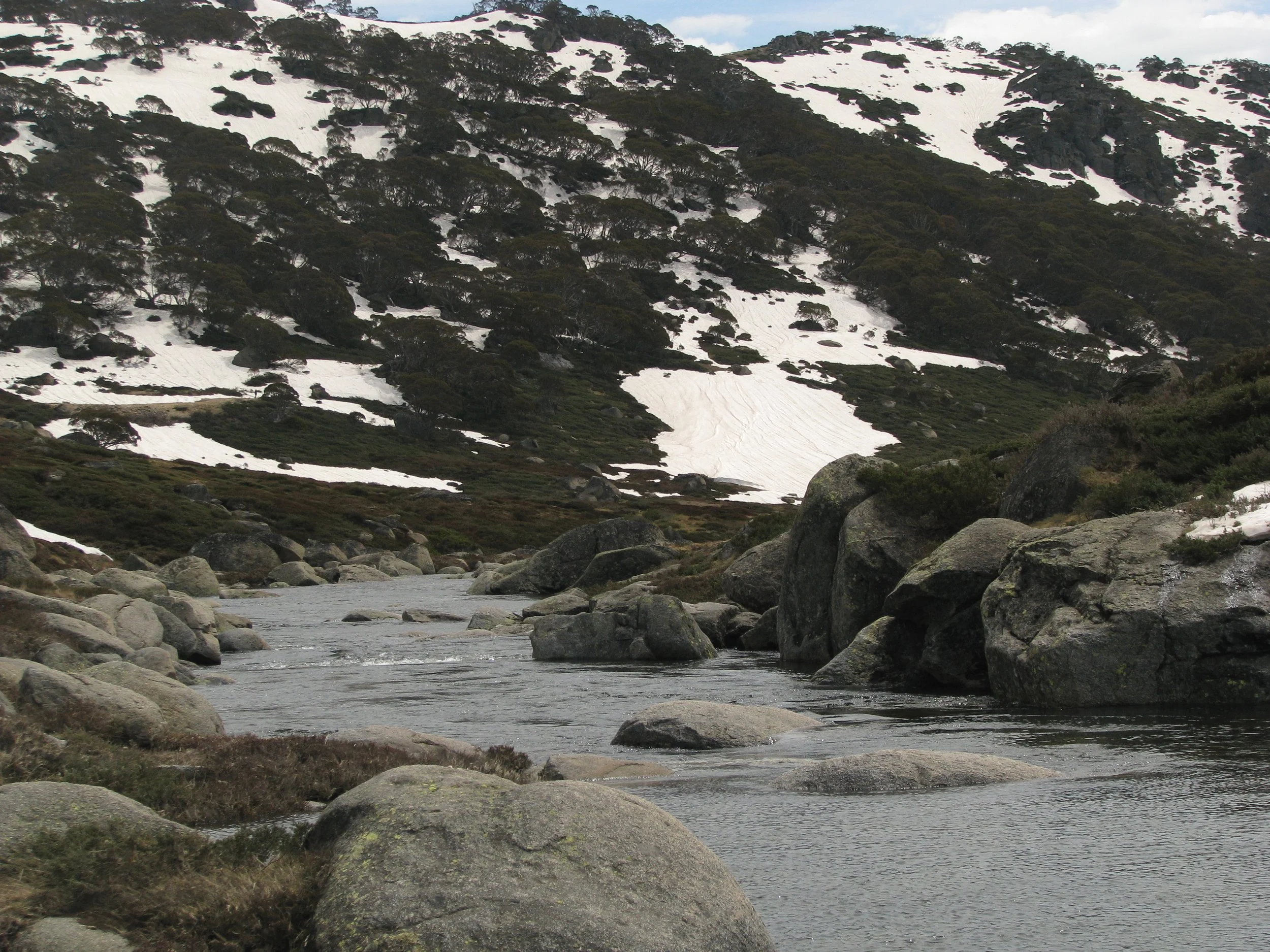
Snowmelt asks the question, “What does climate change sound like?” Recorded during two field trips to Kunama Namadgi (Mount Kosciuszko), the record compares and contrasts the physical shifts in the region’s flora, fauna and landscapes brought upon by the changes in season that occur at higher altitudes. The Australian alpine regions are increasingly stressed by the effects of climate change. Rising temperatures and more frequent extreme weather events add to pressure mounting on the delicate ecosystems in this region from physical disturbance and pollution, feral animals, bush fires, and droughts.
Focusing on the incidental sounds of an environment in transition, Snowmelt merges the sounds of nature with minimal but considered instrumentation. Melting ice and snow feeding mountain streams, marshlands buzzing with insects, distant bird calls, windswept grasslands and whistling rock outcrops. Guitars quietly recorded in an icy cabin located inside the Kosciuszko National Park. Incidental sounds processed and looped with a mind to subtle textural shifts and interplay between field recordings and instrumentation.
The Ngarigo people are the traditional custodians of the land on which this project was inspired.
-
Wood, Winter, Hollow (2015)
Description The cold had a certain warmth to it. Worlds, life, among the layers of ice. Complex sounds, alive, found in the darkest rocks, wet with winter’s water. These hollows, rough with age, nature’s hideouts, were the source of inspiration and sounds for the first full-length collaborative recording project between Seaworthy (Cameron Webb) and Taylor Deupree.
Webb was plucked from a bushfire and flood-ridden east coast of an Australian summer and deposited via a 20h flight into a New York covered in snow. From wetlands abuzz with wildlife in the Australia to winter’s wooded trails through Pound Ridge, the sonic environments couldn’t have been more different. Both environments at risk of extreme weather events.
The pair spent time exploring the 4,000 acre nature preserve, Ward Pound Ridge, a park rich in history that supports a diverse range of plant and animal life. While the cold of winter kept most of the animals quiet the landscape nonetheless teemed with sounds. The local environment was hit badly by Hurricane Sandy a few months prior and the remnants of broken trees and debris littered much of the woodland area. Deupree and Webb spent three days on the trails recording sounds and images which created direction and purpose for their album which was composed in the evenings in the 12k studio.
Field recordings were taken from the lakes and surrounding beaches, forests and streams at different times of the day. Various equipment including a hydrophone, a shotgun and stereo microphones were used to capture the natural sounds of each lake. During breaks in field recording, the artists set up recording equipment in a nearby lakeside cabin. Using acoustic and electric guitars, a ukulele and electronics, a series of improvised performances were documented. On the last day of the trip, with the experience of the recording process still fresh in mind, rough arrangements were created from the field recordings and improvised sets.
These endeavours produced sounds inspired by the rawness of winter in a world clinging to fragments of warmth.
-
Two Lakes (2010)
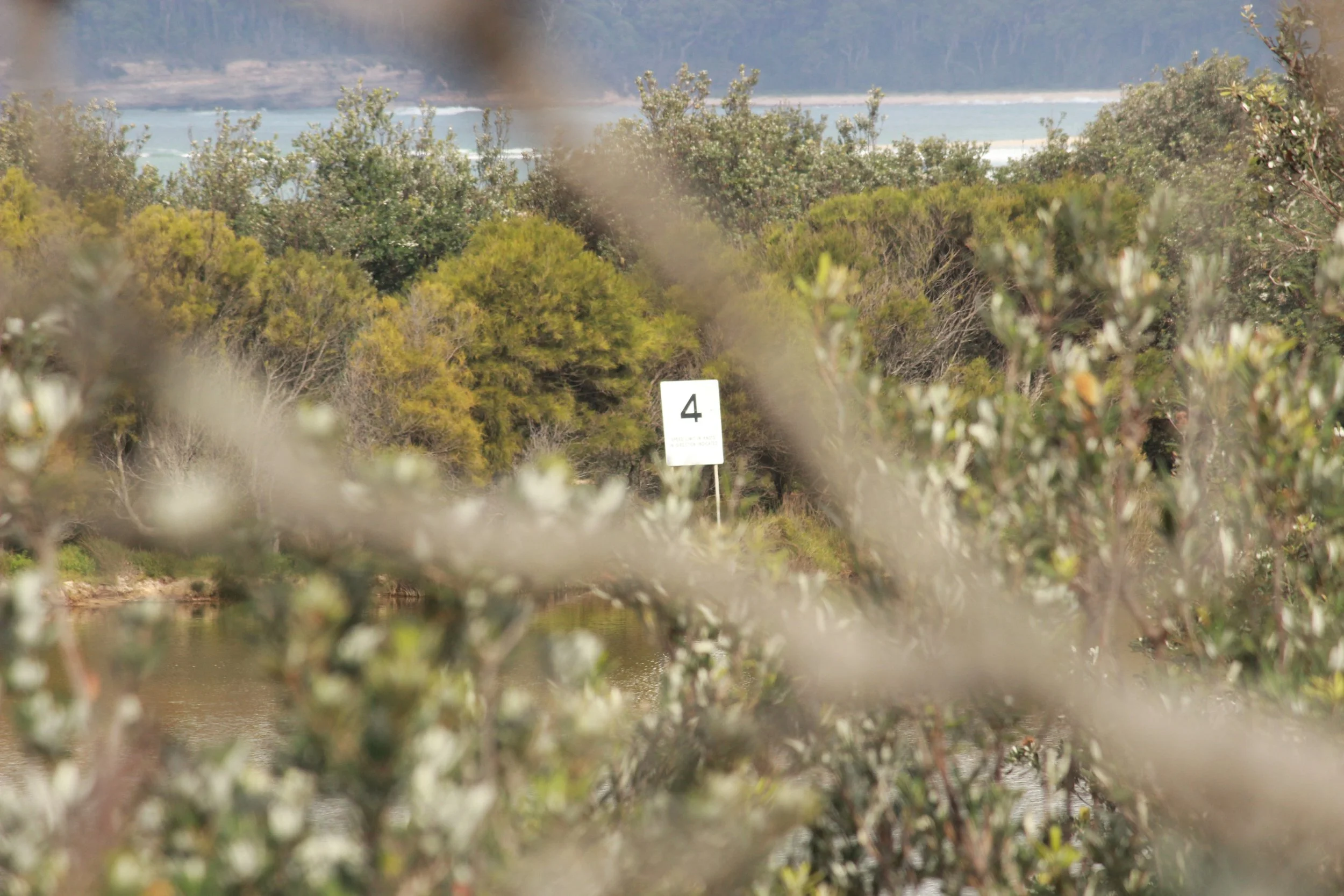
Coastal waterways in south-eastern Australia are in a state of flux. Lagoons and creeklines together with their unique flora a fauna and disrupted by natural and human-induced forces. Changes in these environments is natural but becoming increasingly unpredictable.
In April 2010, Seaworthy and Matt Rösner travelled to the south coast of New South Wales to undertake a detailed field recording study of two coastal lake ecosystems at the Lakes Meroo and Termeil. The aim of the project was to explore the sounds of a fragile coastal Australian environment and to build from those sounds unique musical pieces that provide a place for listener contemplation and reflection.
Field recordings were taken from the lakes and surrounding beaches, forests and streams at different times of the day. Various equipment including a hydrophone, a shotgun and stereo microphones were used to capture the natural sounds of each lake. During breaks in field recording, the artists set up recording equipment in a nearby lakeside cabin. Using acoustic and electric guitars, a ukelele and electronics, a series of improvised performances were documented. On the last day of the trip, with the experience of the recording process still fresh in mind, rough arrangements were created from the field recordings and improvised sets.
Matt Rösner then took these arrangements back to his studio in Myalup - a small coastal town on the opposite side of the Australian continent - to mix and finalize the production.
-
Newington Armory Residency (2007)
In the winter of 2007, a series of recordings were made in and around a 100 year old decommissioned ammunitions bunker in what was previously the RANAD Newington, Australia. The three month period as an ‘Artist in Residence’ with the Sydney Olympic Park Authority’s Arts Program, Webb undertook a series of improvisations, compositions and field recordings within the bunkers and surrounding natural environment.
Constructed in 1897 to store gunpowder, the bunkers were in use by the Royal Australian Navy until recently, including the Gulf War of the 1990s. In stark contrast to the cold dark interiors of the ammunition bunkers, surrounding the building are extensive remnant wetland and forest environments that provide locally important habitats for a number of endangered and internationally protected wildlife.
As well as pieces of looped guitar and electronics, installations of field recordings played back with the bunkers were also recorded, using the natural reverb of the large rooms as a way of processing the sounds of birds, insects and wind through trees. The large sandstone bunkers were infused with so much natural reverberation that even the gentlest footstep seemed to take on a life of its own.
Over 6 hours of 4-track cassette, minidisk and computer recordings resulted from the sessions and the processing, assemblage and mixing of the tracks that make up 1897 took most of 2008 to complete.
At the time of these recordings, these areas were essentially off limits to the general public. Now, they are readily accessible as part of the broader urban parklands of Sydney Olympic Park.